 English
 العربية
 中文(简体)
 Français
 Deutsch
 Italiano
 پارسی
 Português
 Русский
 Español


Modern electronic devices keep evolving toward miniaturization, high‑density integration and higher reliability. Traditional manual SMT (Surface Mount Technology) assembly can hardly meet today’s strict requirements for precision, throughput and consistent quality. Mechanical automation has therefore become a core driver for upgrading SMT production workflows.
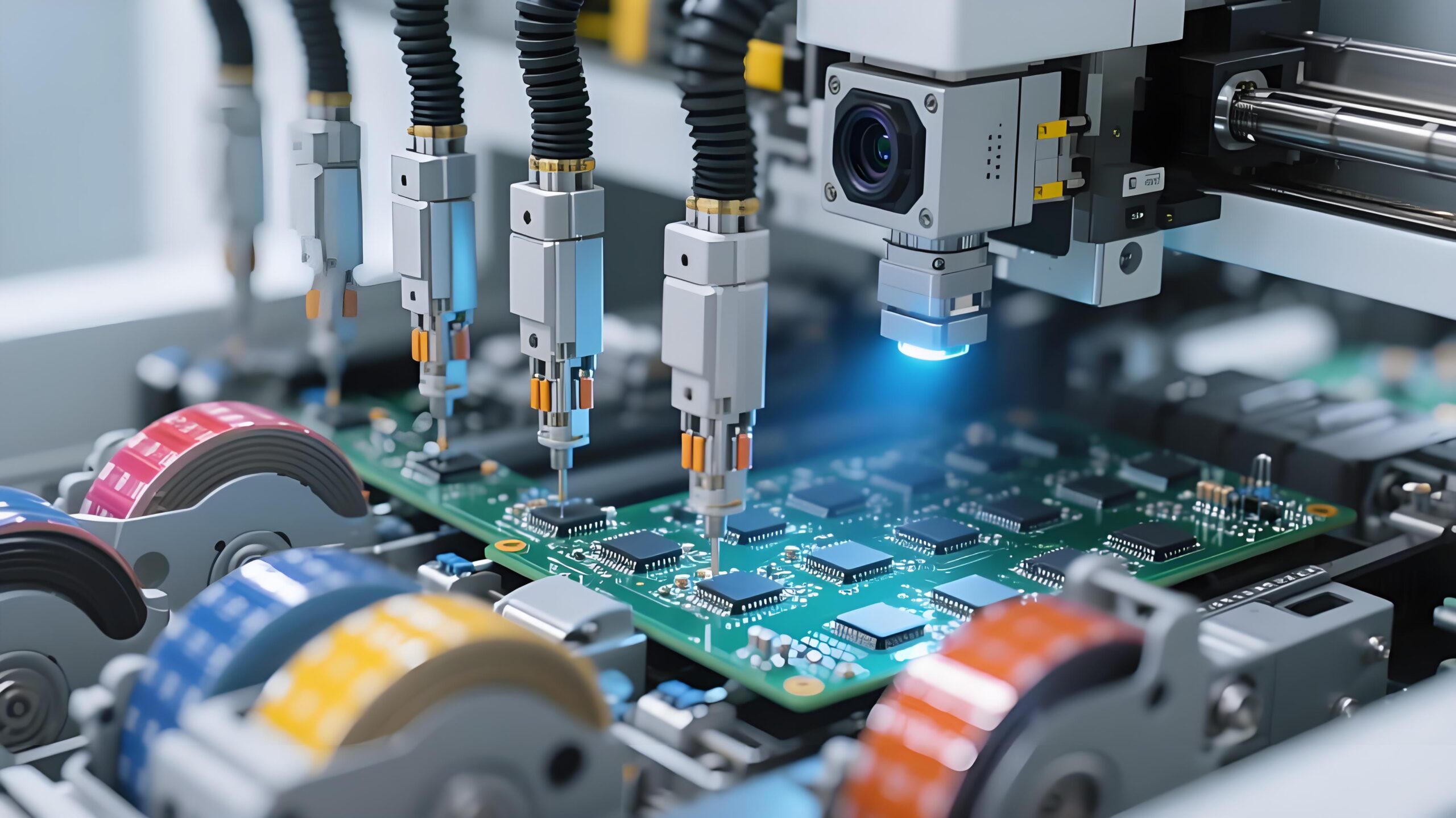
Automated SMT workflows cover four core stages: solder‑paste printing, component mounting, reflow soldering, plus inspection and sorting. Every step demands tight precision and cross‑equipment coordination. Advanced packaging processes now require placement accuracy up to ±0.01 mm. Shrinking BGA pin pitches down to 0.2 mm raise higher requirements for machine vision, motion control and line‑wide stability. For further research on process challenges brought by component miniaturization, review the SMTA SMT technical knowledge base.
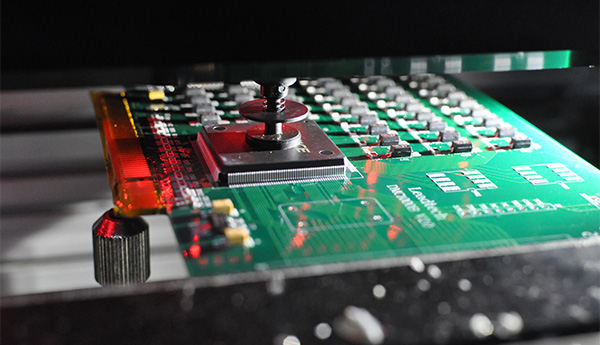
In solder‑paste printing, automated printers use vision alignment to compensate for PCB offset and stencil deformation. Laser sensors monitor paste thickness in real‑time, reducing common defects such as insufficient paste, offset printing and smearing. High‑speed and high‑precision mounters work in tandem: high‑speed units handle passive resistors and capacitors, while precision machines place BGA, QFP and complex chips with visual angle correction. Automatic feeders and built‑in fault diagnosis minimize manual intervention and production downtime. You may refer to the ASMPT SMT technical white‑paper for equipment‑selection guidance.
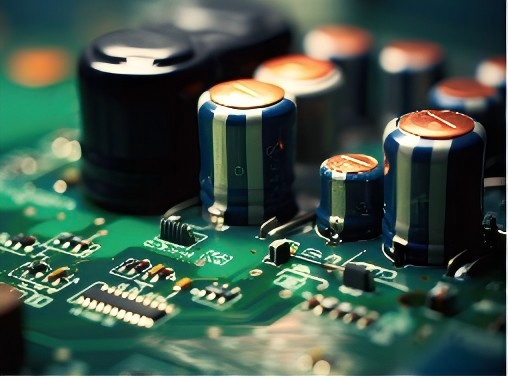
During reflow soldering, automated ovens maintain strictly calibrated temperature profiles for melting and solidifying solder paste, avoiding component thermal damage or cold solder joints. Soldering quality assessments generally follow IPC‑A‑610 and J‑STD‑001 global SMT industry specifications. For final quality assurance, AOI optical inspection catches surface‑mount defects, while X‑ray testing detects hidden inner‑joint faults under BGA packages. Linked with PLC control systems, the line automatically marks defective boards and completes sorting.
For semiconductor‑focused manufacturers such as TrustyIC, reliable automated SMT capability lays the foundation for consistent chip‑related product delivery. TrustyIC leverages mature automated assembly workflows to maintain stable quality for our chip solutions. If you would like to know more about our component and chip offerings, visit our official site: https://www.trustyic.com.
Looking ahead, manufacturers should keep investing in high‑precision hardware, enhance equipment flexibility with modular design and digital‑twin virtual debugging. Unified industrial‑internet interfaces can realize cross‑device data sharing, predictive equipment maintenance and intelligent process optimization. Mechanical automation will keep empowering high‑yield, flexible electronics mass‑production.