 English
 العربية
 中文(简体)
 Français
 Deutsch
 Italiano
 پارسی
پارسی Português
 Русский
 Español

Introduction: The Billion-Dollar Risk of Counterfeit Electronics
In the Oil & Gas sector, equipment reliability is not just a metric—it is a survival requirement. A single sensor failure on an offshore rig or within a refinery pipeline can trigger an emergency shutdown, costing operators anywhere from $200,000 to over $500,000 per day in lost production.

However, procurement managers today face significant supply chain challenges. Global supply chain disruptions and the rapid obsolescence of legacy control systems have made sourcing hard to find electronic components more difficult than ever. When authorized distributors quote lead times of 50 weeks for a critical pressure transmitter, procurement teams are often forced to look beyond standard channels.
This is where the danger lies. The “Gray Market” is flooded with counterfeit components that look identical to the real thing but lack the internal engineering to survive in harsh downhole environments.
In this guide, we will move beyond basic advice and provide a practical technical checklist to help you identify fake vs original Honeywell sensors, verify documentation, and secure your supply chain.
The Root Cause: Why Fake Honeywell Sensors Flood the Market?
To stop a counterfeit, you must understand the source. The primary driver of counterfeit sensors in the energy sector is Obsolescence.
Honeywell sensors, like all technology giants, eventually discontinues older product lines (such as legacy ST 3000 transmitters) to introduce newer technology like the SmartLine series. However, a refinery built in 1995 may still be running perfectly on those “obsolete” systems. They don’t want to upgrade the entire plant; they just need one replacement spare part.
This desperate demand creates a vacuum that counterfeiters fill with two types of fake products:
- The “Empty Shell”: A copycat housing with a non-functional or commercial-grade chip inside.
- The “Re-mark”: Used, pulled parts that are polished, repainted, and sold as “New Original.”
Phase 1: Visual Inspecyion (The “Eye Test”)
Counterfeiters cut corners to save money, but they often cut corners on manufacturing costs. Before a sensor ever leaves your warehouse for the field, perform this 3-step visual inspection.
- The Label Forensics: Laser Etching vs. Ink Printing
Genuine Honeywell industrial sensors are built to withstand solvents, oil, and abrasion. Therefore, their labeling reflects this.
The Solvent Rub Test: Take an alcohol wipe or a gentle solvent and rub the label text.
- Original: The text is often laser-etched or printed via high-grade thermal transfer. It will remain sharp.
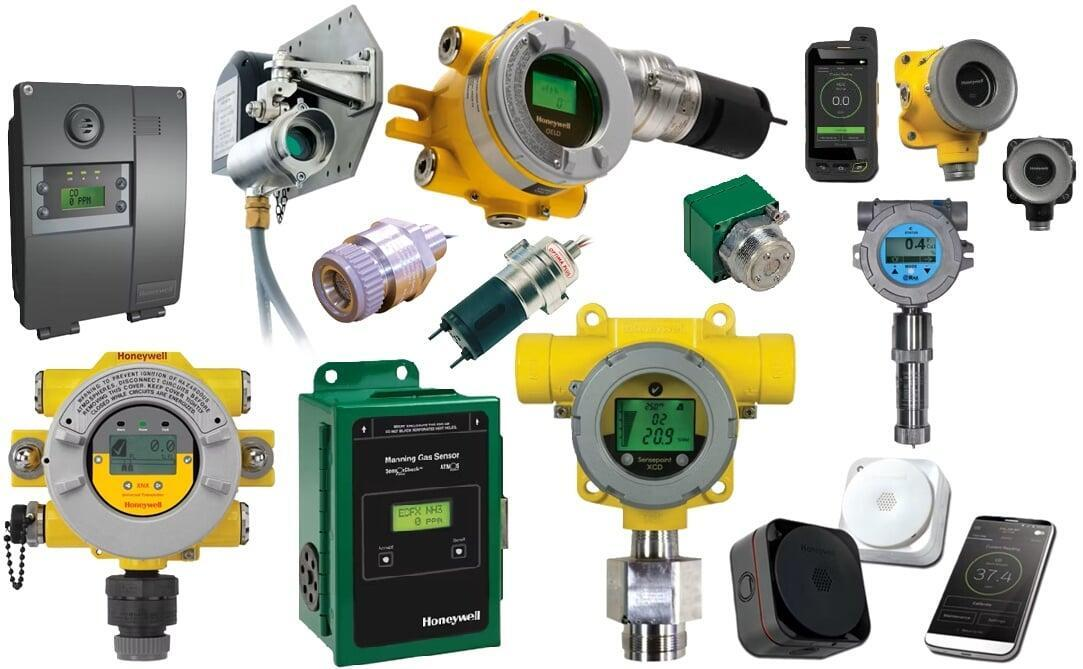
- Fake: Counterfeiters often use standard ink. The text will smear, fade, or wipe off entirely.
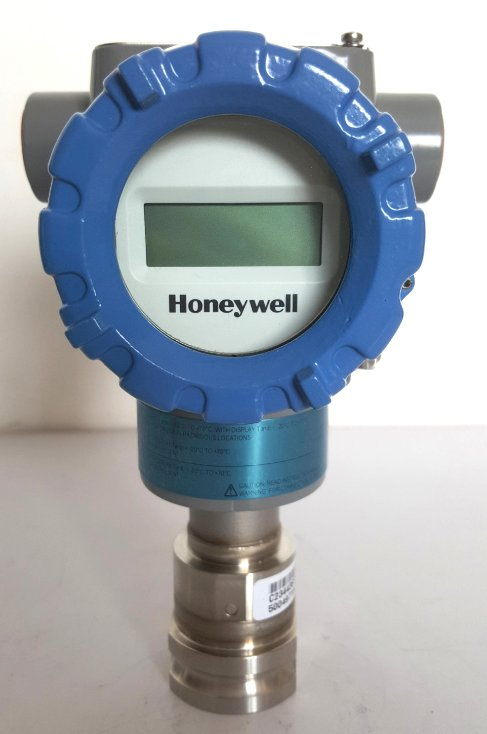
Font Consistency: Look closely at the spacing (kerning) between letters. Fake labels often use generic fonts where letters look “squashed” or uneven.
2.Housing Material & Build Quality (The Magnet Test)
روغن & Gas sensors, particularly those used in corrosive offshore environments, typically use 316L Stainless Steel housings.
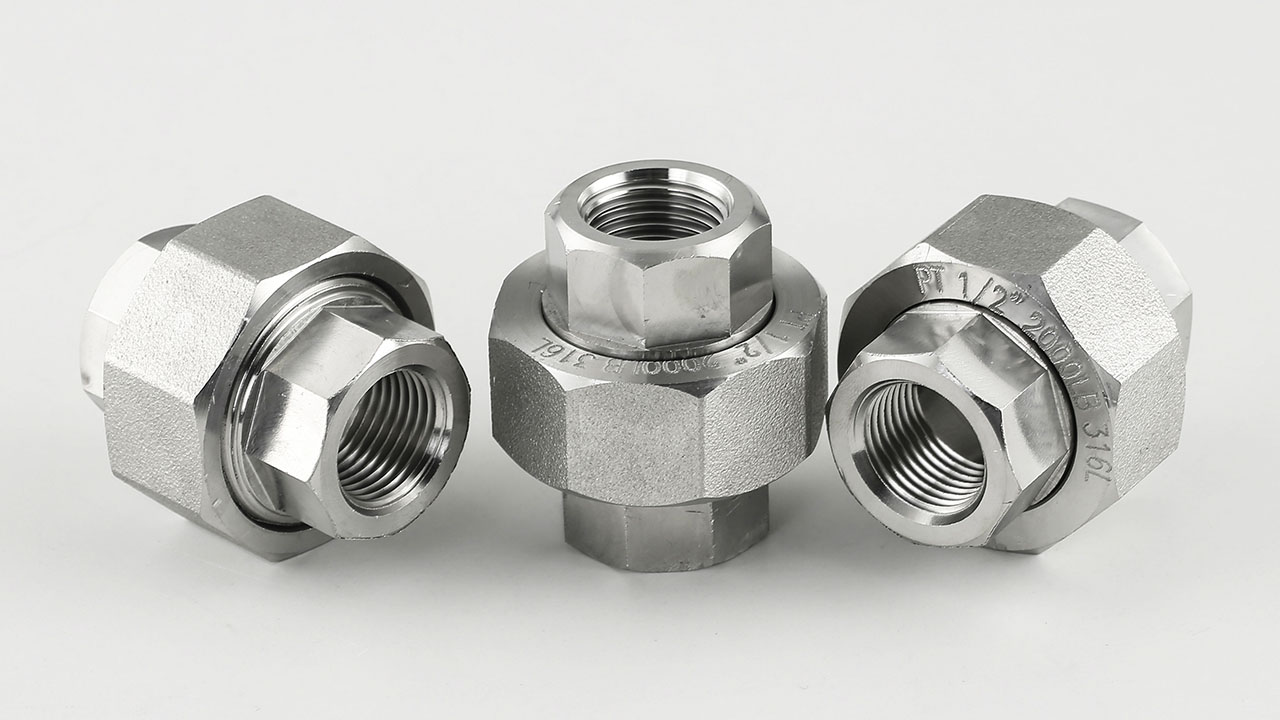
- The Magnet Test: 316L Stainless Steel is non-magnetic. If you hold a strong magnet to the housing of a “Stainless Steel” transmitter and it sticks firmly, the material is likely a cheap ferrous alloy or high-carbon steel. This will rust and fail rapidly.
- Machining Quality: Run your finger along the edges of the casing. Genuine Honeywell machining is precise and smooth. Fakes often have sharp burrs, rough casting lines, or inconsistent polishing on the process connection.
3. Connector & Pin Plating
Inspect the electrical interface where the sensor connects to your control loop.
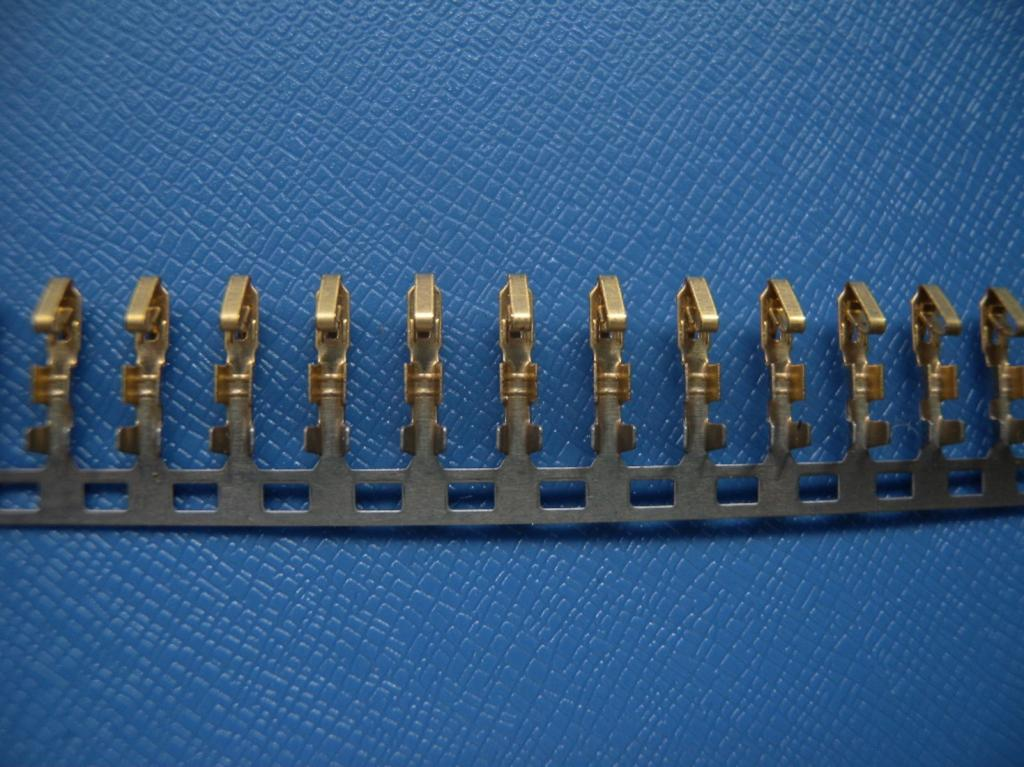
- Gold vs. Tin: High-reliability sensors often use gold-plated pins to prevent oxidation and ensure signal integrity. Fakes often use tin or nickel plating, which looks dull silver.
- Thread Feel: Try to screw the sensor into a standard NPT fitting by hand. It should thread smoothly. If it feels gritty or jams immediately, the thread machining is out of tolerance—a classic sign of a non-OEM machine shop.
Phase2: Documentation Verification (The Paper Trail)
Physical inspection is critical, but the paperwork is your insurance policy. A physical part can be forged, but a traceable paper trail is much harder to fake if you know what to look for.
This leads to the most common question we receive: “How to verify certificate of conformance electronics?”
Decoding the Certificate of Conformance (CoC)
A generic CoC from a broker that simply states “We certify this is genuine” is functionally worthless. To validate a CoC, check these three points:
- Lot/Batch Code Matching: The CoC must list a specific Lot Code or Date Code. Crucially, this code must match the code printed on the actual sensor body. If the CoC says “Lot 2245” but the sensor says “Lot 2109,” the document is invalid.
- Chain of Custody: Can the vendor trace the part back to a franchised distributor or the Honeywell factory? “Factory Traceable” is the gold standard for SIL-rated safety environments.
- Date Codes: Be wary of Date Codes that are significantly older than the CoC date without explanation. While “New Old Stock” (NOS) is common, the paperwork should explicitly state this status.
Phase3: Technical Bench Testing (The “Stress Test”)
Sometimes, a fake part looks perfect on the outside. The only way to detect it is to see how it behaves under load.
Zero Drift & Hysteresis Errors
If you are following a standard Honeywell pressure transmitter troubleshooting guide and cannot get the device to calibrate, do not assume it is broken. It might be fake.
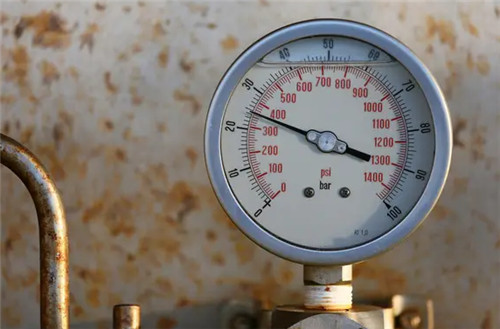
- Zero Drift: You calibrate the sensor to zero, but within an hour, the reading wanders without any pressure change. This suggests the internal MEMS element is commercial-grade and lacks temperature compensation.
- Hysteresis: When pressure goes up and then down, the sensor should return to the exact same reading. Fake sensors often have poor hysteresis—they don’t “return” to the starting value, leading to control loop errors.
Digital ID Verification (HART/Fieldbus)
For smart transmitters, use a Field Communicator to interrogate the device.
- The Firmware Check: A fake sensor might look real, but counterfeiters rarely hack the firmware perfectly. If your communicator identifies the device as “Generic” or fails to load the correct Device Description (DD) file, you likely have a counterfeit circuit board inside a genuine-looking shell.
The “Frankenstein” Sensor: Refurbished vs. New
A common scam in the industry is selling “Refurbished” parts as “New.” These are genuine Honeywell parts that have been pulled from old rig sites, sandblasted, and repackaged.
Signs of a “Pulled” Part:
- Screw Marks: Look at the mounting holes or terminals. If you see circular scratch marks from screws, the part has been installed before.
- Process Connection Wear: Look inside the threaded port. If there is residue, Teflon tape remnants, or fluid staining, it is not new.
- Date Code Discrepancy: If the box looks brand new but the sensor has a date code from 2010, proceed with extreme caution.

سوالات متداول: Common Question from Procurement Managers
Q: Can I check Honeywell serial numbers online?
A: Not through a public portal. However, you can contact Honeywell Technical Support directly. If they tell you that Serial Number was sold to a company in Brazil in 2014, but you just bought it “New” from a broker in 2026, it is a fake.
Q: Is it ever safe to buy obsolete Honeywell parts?
A: Yes, but only from specialized distributors who perform the testing mentioned above. Buying from anonymous marketplaces without traceability is a gamble with your facility’s safety.
Q: What if I need a part that Honeywell stopped making 5 years ago?
A: This is our specialty. We focus on sourcing hard to find electronic components through a network of vetted surplus partners, ensuring every part undergoes rigorous QA before shipping.
نتیجه گیری: Secure Your Operations Today
The cost of a replacement sensor is trivial compared to the cost of a safety audit failure or an unplanned shutdown. As a procurement professional, your best defense against fake vs original Honeywell sensors is a trusted relationship with a specialized distributor who prioritizes transparency.
Don’t risk your operation on unverified parts.
At Trustyic, we act as your quality firewall. Whether you need a legacy Honeywell pressure transmitter or a Siemens PLC, we provide full traceability.
Click Here to Request a Quote for Genuine Industrial Components
For more information on industrial safety standards, visit the IEC (International Electrotechnical Commission) website.