行业洞察

The Heart of Smart Manufacturing: Understanding Industrial CPUs in Global Automation

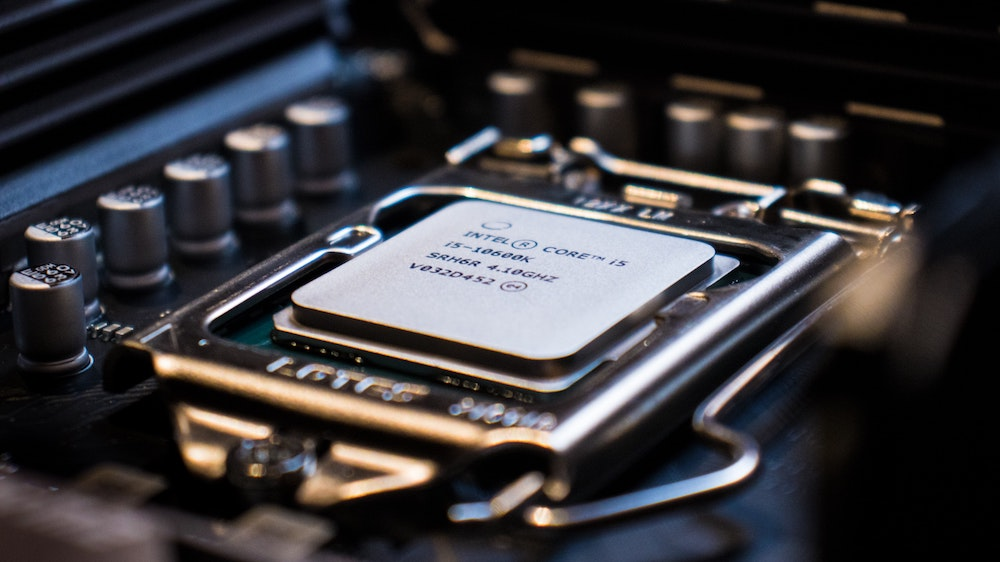
High-performance industrial CPU integrated on an embedded motherboard and PLC system for smart factory automation solutions with zero supply chain risks.

High-performance industrial CPU integrated on an embedded motherboard and PLC system for smart factory automation solutions with zero supply chain risks.

The rapid evolution of smart manufacturing has placed a spotlight on a critical component that serves as the brain of every automated system: the Industrial CPU (Central Processing Unit). Unlike the processors found in a standard office laptop, industrial-grade CPUs are engineered to withstand the rigors of the factory floor while delivering the deterministic performance required for high-stakes robotics.


What Defines an Industrial CPU?

At its core, an industrial CPU is a processor specifically hardened for control environments. Often integrated into embedded industrial motherboards or PLCs, these chips must maintain peak performance under conditions that would cause a consumer-grade device to fail. While global giants like Intel, AMD, and ARM dominate the architecture landscape, the industry has seen a significant shift toward specialized integration.


In China’s massive manufacturing hubs, for instance, the focus has moved beyond mere assembly to the high-level integration of these processors into smart logistics and precision machining. This international manufacturing shift relies heavily on a stable supply of high-quality supporting components, including Integrated Circuits, 晶体管, and Diodes, which ensure the CPU can communicate seamlessly with its peripheral environment.


Critical Applications in Modern Automation

Industrial CPUs are the engines behind several key operational pillars:


Production Line Orchestration: These processors coordinate with sensors and actuators to monitor assembly lines in real-time, optimizing throughput and reducing downtime.


Machine Vision and Quality Control: By running complex visual algorithms, industrial CPUs allow robots tosee,” enabling them to identify defects with microscopic precision—a task where reliability is paramount.


Data Harvesting and Analytics: Modern factories generate terabytes of data. These CPUs process this information at theedge,” providing immediate feedback to management for better decision-making.


For engineers designing these systems, sourcing is critical. Reliable distribution of semiconductor components is essential to maintain the integrity of the CPU’s signal processing. 在 TrustyIC, we support this ecosystem by providing the essential Connectors, 电容器, and Resistors that build the stable circuitry these CPUs require.


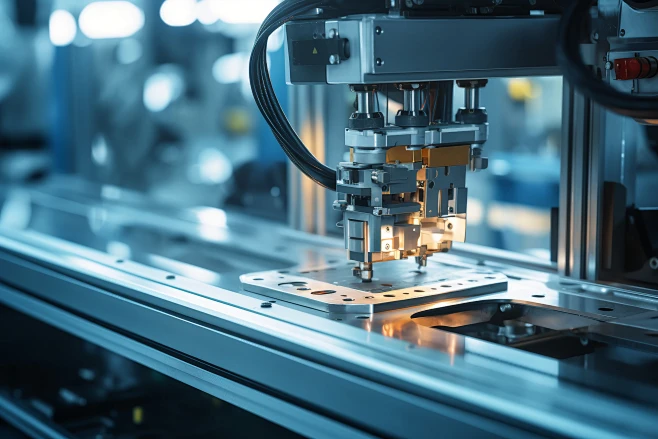
A high-speed robotic arm driven by industrial CPU executing precision machine vision inspection on an electronics manufacturing line.


Industrial vs. Consumer: The Resilience Gap

Why can’t you use a standard PC processor for a robotic arm? The difference lies in three main areas:


Thermal Tolerance: Factories are often hot and poorly ventilated. Industrial CPUs are rated for extreme temperature swings where a consumer chip would throttle or shut down.


Anti-Interference (EMC): Industrial environments arenoisywith electromagnetic interference from heavy machinery. These CPUs, supported by robust Relays and isolation circuits, are designed to remain stable.


Longevity: While a consumer phone chip might be obsolete in two years, industrial CPUs often require a 10-to-15-year lifecycle to match the lifespan of the machinery they control.


Future Horizons: AI and IoT

The trend is moving towardHigh Performance, Low Power.As we look toward the future, the integration of IoT sensors directly with industrial processing units is becoming the standard. This allows for predictive maintenance, where the CPU canfeela component wearing out before a failure occurs.


In the global landscape, China continues to be a pivotal player in the application of these technologies. From the automotive plants in Germany to the electronics assemblies in Shenzhen, the demand for precision-grade industrial processors is only climbing. Whether you are building a new robotic cell or upgrading a legacy line, the synergy between the CPU and its surrounding Integrated Circuits and IoT sensors will define your success.


在 TrustyIC, we understand that a CPU is only as good as the circuit it sits on. By ensuring a steady supply of premium electronic components, we help keep the wheels of global industry turning.


Ready to build more resilient automation systems?

Whether you are upgrading a legacy assembly line or designing the next generation of smart robotics, don’t let a minor component bottleneck your entire industrial CPU’s performance.

Let TrustyIC optimize your BOM with 100% genuine components, fully verified by our strict 4-Stage QC System—with No MOQ pressure.

📧 Send your component list or RFQ directly to [info@trustyic.com] today.

Our engineering and sourcing teams are ready to deliver the right solution for your manufacturing success!


Engineering team verifying the thermal tolerance and electromagnetic compatibility EMC of industrial grade semiconductors and electronic components under harsh environments.