 English
 العربية
 中文(简体)
 Français
 Deutsch
 Italiano
 پارسی
پارسی Português
 Русский
 Español

A indústria farmacêutica está atualmente passando por uma enorme transformação. De acordo com relatórios recentes da indústria, as empresas estão adotando rapidamente a Inteligência Artificial (IA) para revolucionar a descoberta de medicamentos. Os dados são convincentes: a integração da IA no ciclo de vida farmacêutico pode reduzir os custos de pesquisa e desenvolvimento em até 50% e reduzir significativamente o prazo de anos normalmente necessário para lançar um novo medicamento no mercado.
À medida que vemos grandes players e startups – desde laboratórios estabelecidos até novos participantes como Earendil Labs e PharmAID – ocupando seus lugares no “Mesa de IA,” o foco do título geralmente está no software e nos algoritmos. No entanto, para profissionais de engenharia e compras, a verdadeira história está abaixo da superfície. Esta revolução não se trata apenas de código; trata-se do poder computacional e do hardware de precisão necessários para executá-lo.
A espinha dorsal invisível: Computação de alto desempenho
Os modelos sofisticados usados na descoberta de medicamentos por IA, como aqueles rodando em arquiteturas semelhantes a Grace Blackwell da Nvidia, exigem imenso poder de processamento. Estas não são operações padrão de escritório; eles são computação intensiva de alto desempenho (HPC) tarefas que são executadas 24/7.
Para a cadeia de fornecimento de eletrônicos, isso sinaliza um aumento crítico na demanda por componentes de nível de servidor. O “Cérebro de IA” requer um corpo físico robusto para funcionar. Isso significa um requisito maior para:
- CIs de alta velocidade (Circuitos Integrados): Para gerenciar a taxa de transferência de dados sem latência.
- Unidades de gerenciamento de energia: Para garantir a eficiência energética em data centers que executam esses algoritmos que consomem muita energia.
- Componentes de gerenciamento térmico: Para proteger processadores sensíveis contra superaquecimento durante picos de carga de cálculo.
Na TrustyIC, entendemos que o software é tão rápido quanto o hardware em que é executado. Somos especializados em obter itens difíceis de encontrar, CIs de alto desempenho que alimentam essas feras computacionais.
Da Simulação Digital à Automação Física
O impacto da IA vai além da sala de servidores e chega ao laboratório úmido. A tendência para “IA + Automação” significa que os laboratórios farmacêuticos modernos estão se tornando cada vez mais robóticos. Manipuladores de líquidos automatizados, dispositivos de triagem de alto rendimento, e braços robóticos estão substituindo a pipetagem manual para corresponder à velocidade da análise de IA.
Esta automação depende inteiramente da coordenação precisa de componentes eletrônicos. Uma única falha em um conector ou relé pode interromper um experimento de um milhão de dólares. É por isso que a qualidade das peças eletromecânicas não é negociável.
Nosso inventário na TrustyIC é selecionado para apoiar esta onda de automação laboratorial. Nós fornecemos:
- Sensores de precisão: Sensores IoT são essenciais para monitorar a temperatura, umidade, e níveis de fluidos em tempo real, alimentando dados precisos de volta aos modelos de IA.
- Relés e Conectores: Isso garante que os movimentos mecânicos dos robôs de laboratório sejam executados com precisão consistente.
- Microcontroladores: Os cérebros dentro dos dispositivos de ponta que controlam as operações locais.
- Navegando na cadeia de suprimentos para obter confiabilidade de nível médico
Como o “IA Farmacêutica” setor cresce – com projeções de mercado mostrando taxas de crescimento explosivas – a competição por componentes eletrônicos de alta qualidade se intensificará. Os fabricantes de equipamentos médicos e de laboratório não podem se dar ao luxo de apostar com peças do mercado paralelo ou com prazos de entrega incertos.
Quando um fabricante de dispositivos médicos aumenta a produção para atender a essa nova demanda, eles precisam de um parceiro que garanta rastreabilidade. TrustyIC fornece essa segurança. Verificamos cada componente, de capacitores e resistores a transistores e diodos complexos, garantindo que atendam aos rigorosos padrões exigidos para aplicações de nível médico.
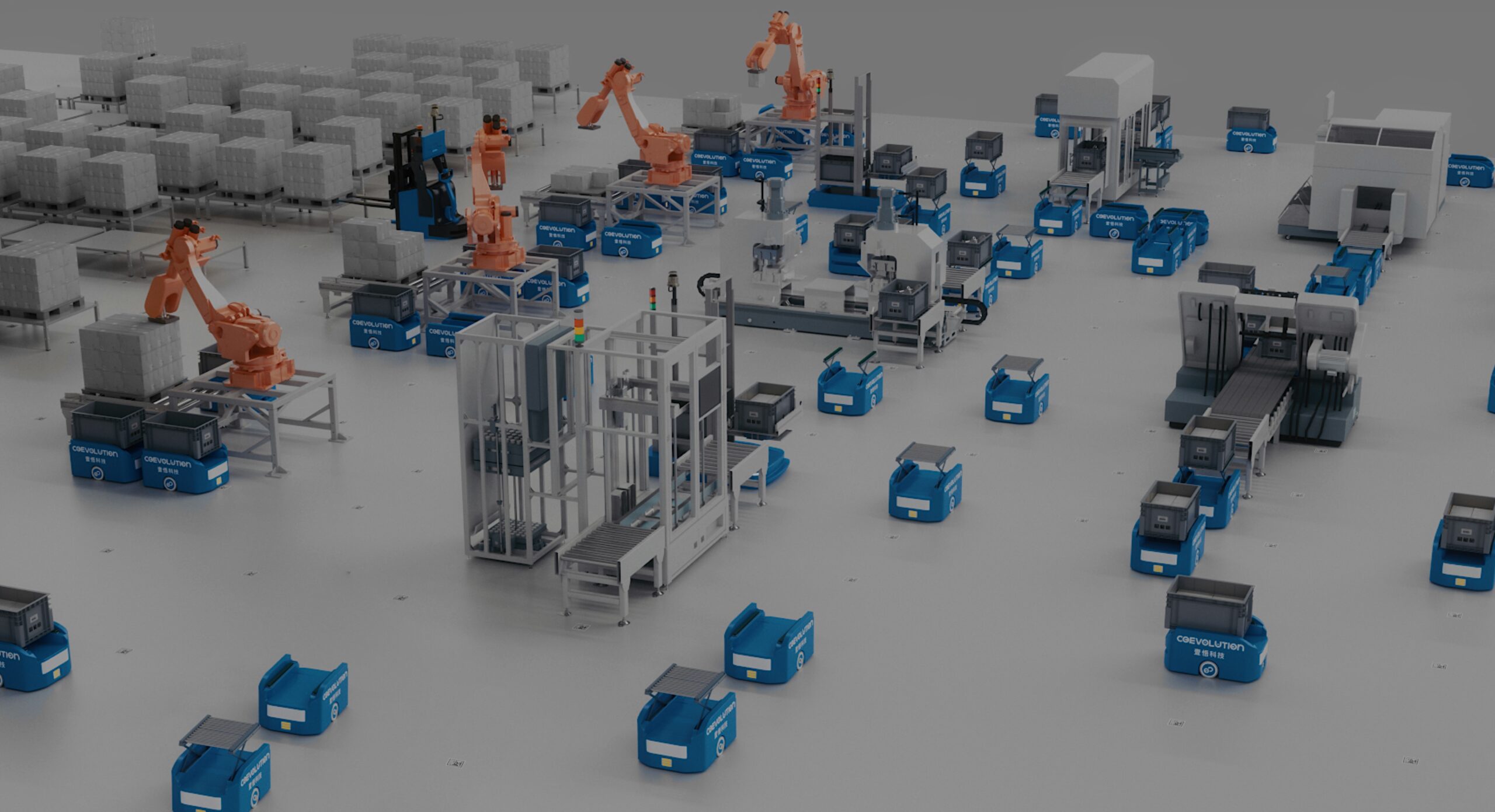
A implantação em massa de robótica de precisão permite alta velocidade, fabricação consistente, impulsionando a próxima geração da revolução industrial.
Proteja sua linha de produção hoje
A revolução da IA na medicina está a criar um aumento na procura de infraestruturas eletrónicas fiáveis. Não deixe que a escassez de componentes seja o gargalo que impede sua inovação. Esteja você construindo os servidores que treinam os modelos ou os robôs que misturam os compostos, você precisa de um parceiro de cadeia de suprimentos em quem possa confiar.
Estamos prontos para ajudá-lo a obter o verificado, componentes rastreáveis que você precisa para manter sua produção funcionando.
Para leitura adicional sobre o impacto técnico da IA nos campos científicos, fontes respeitáveis como Espectro IEEE fornecer excelentes perspectivas de engenharia.
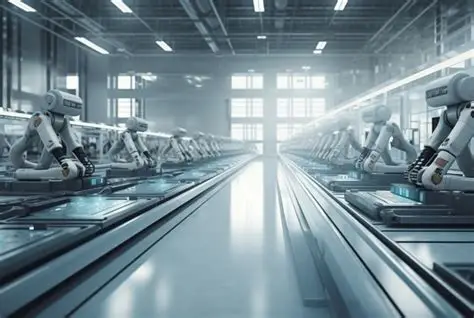
A implantação em massa de robótica de precisão permite alta velocidade, fabricação consistente, impulsionando a próxima geração da revolução industrial.