 English
 العربية
 中文(简体)
 Français
 Deutsch
 Italiano
 پارسی
پارسی Português
 Русский
 Español
 Autore originale: Majeed Ahmad
Fonte: Analisi del settore e commenti sul mercato dei semiconduttori
Questo articolo è adattato e riassunto da Trusty IC per i professionisti del settore dei semiconduttori. Le opinioni e l'analisi appartengono all'autore originale.
Introduzione: L’intelligenza artificiale sta andando oltre il data center
L’intelligenza artificiale è entrata in una nuova fase di sviluppo.
Per anni, L’innovazione dell’intelligenza artificiale è stata guidata principalmente da:
- Grandi modelli di intelligenza artificiale
- GPU ad alte prestazioni
- Enorme infrastruttura di data center
Tuttavia, Si prevede che la prossima evoluzione dell’intelligenza artificiale si avvicinerà al mondo fisico.
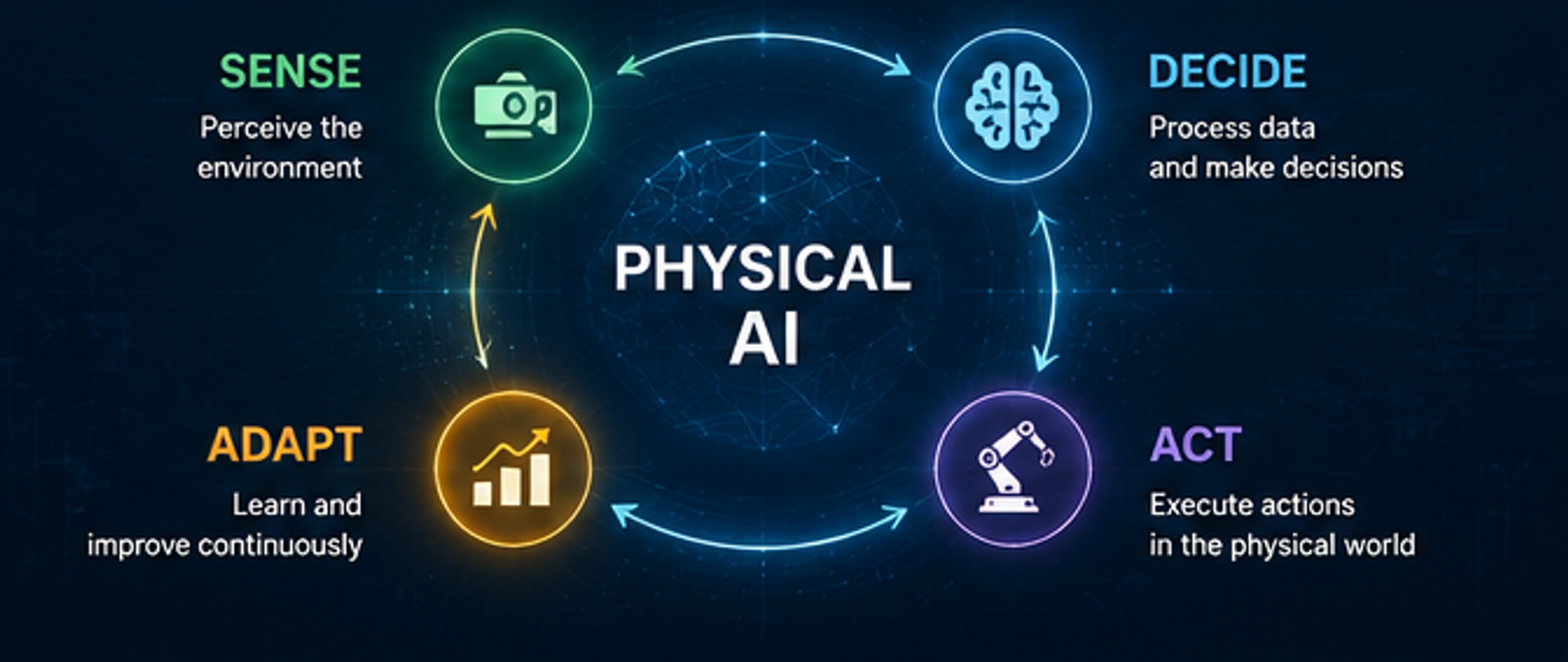
Le macchine avranno sempre più bisogno di questa capacità:
- Percepisci il loro ambiente
- Elaborare le informazioni localmente
- Prendi decisioni in tempo reale
- Interagisci con il mondo fisico
Questa transizione sta guidando la crescita di IA Edge e IA fisica.
Secondo l'analista del settore dei semiconduttori Majeed Ahmad, La prevista acquisizione di Synaptics da parte di onsemi rappresenta un passo strategico significativo verso questo ecosistema emergente di intelligenza artificiale.
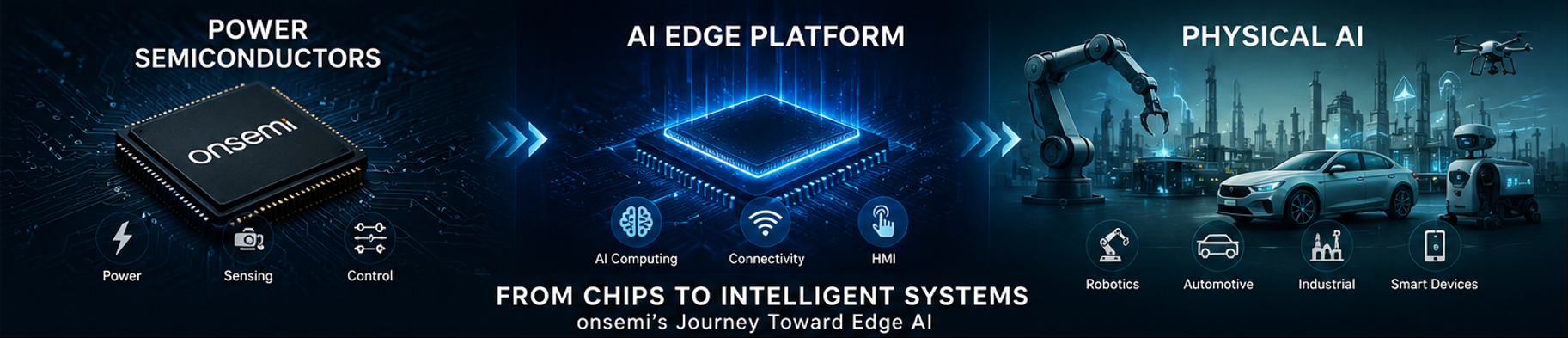
Da leader di semiconduttori di potenza a fornitore di piattaforme AI Edge
onsemi amministratore delegato Hassane El-Khoury ha compiuto ancora una volta un importante passo strategico nella trasformazione del settore dei semiconduttori.
Precedentemente, durante la sua leadership presso Cypress Semiconductor, El-Khoury ha svolto un ruolo importante nell’acquisizione dell’azienda da parte di Infineon Technologies nel 2019.
Quella transazione ha rafforzato la posizione di Infineon nel settore informatico, connettività, e soluzioni embedded attraverso le tecnologie Cypress.
Oggi, El-Khoury sta conducendo un diverso tipo di trasformazione a Onsemi.
L'azienda, tradizionalmente riconosciuto per:
- Tecnologie dei semiconduttori di potenza
- Soluzioni di sensori
- Prodotti a semiconduttori automobilistici
si sta ora espandendo verso:
- Informatica Edge AI
- Sistemi intelligenti
- Applicazioni industriali e automobilistiche abilitate all'intelligenza artificiale
la prevista acquisizione di Synaptics da parte di onsemi, valutato a circa $7 miliardi attraverso una transazione interamente azionaria, riflette questa direzione strategica.
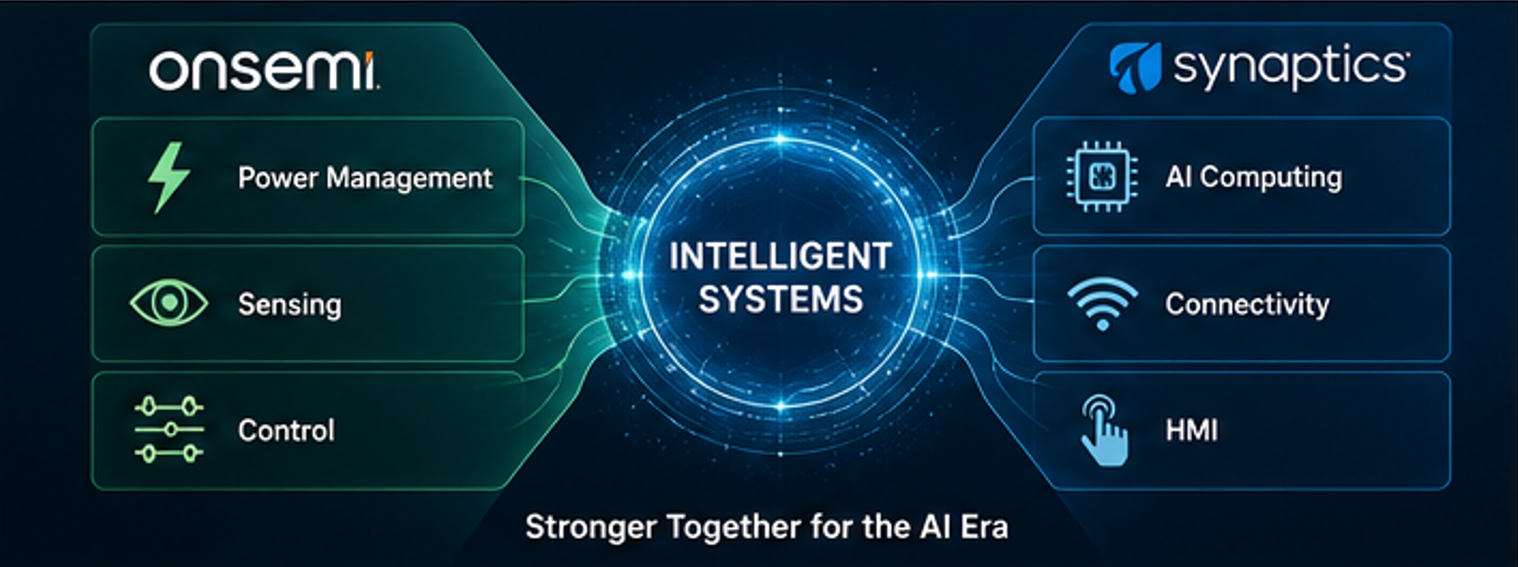
La combinazione di:
onsemi
- Gestione dell'energia
- Tecnologie di rilevamento
- Soluzioni di controllo
con
sinaptici
- Informatica Edge AI
- Tecnologie di connettività
- Interfaccia uomo-macchina (HMI)
potrebbe creare una piattaforma di semiconduttori più ampia per l’era dell’intelligenza artificiale.
Perché l'intelligenza artificiale edge e l'intelligenza artificiale fisica sono importanti
L’obiettivo principale dietro questa acquisizione è Edge AI.
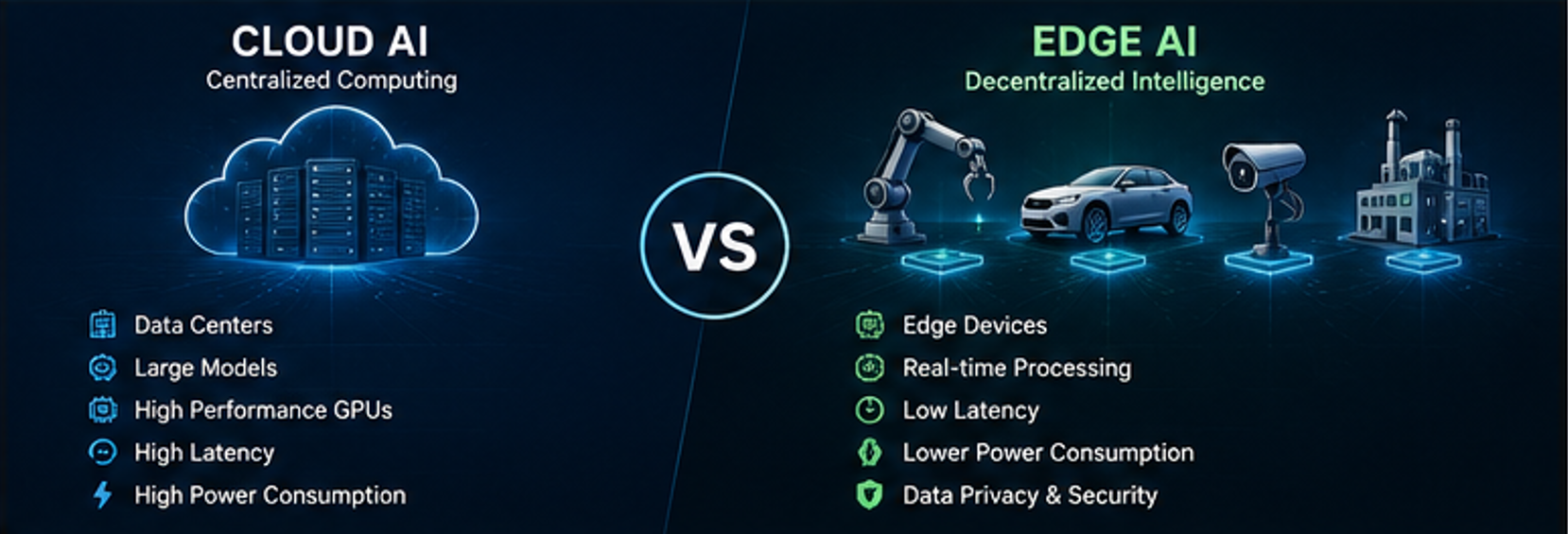
Secondo onsemi, L’integrazione delle capacità di elaborazione AI all’avanguardia di Synaptics con la sua interfaccia uomo-macchina e le tecnologie di connettività wireless potrebbe espandere le capacità dell’azienda oltre le tradizionali soluzioni di alimentazione e rilevamento.
Oltre l'intelligenza artificiale Edge, l'acquisizione punta anche verso gli emergenti Il mercato dell’intelligenza artificiale fisica.
L’intelligenza artificiale fisica si riferisce a sistemi intelligenti incorporati nelle macchine del mondo reale, compreso:
- Robot
- Veicoli autonomi
- Attrezzature industriali
- Dispositivi intelligenti
A differenza delle tradizionali applicazioni di intelligenza artificiale che elaborano principalmente informazioni digitali, L’intelligenza artificiale fisica richiede che le macchine comprendano e rispondano all’ambiente reale.
Ciò richiede l'integrazione di:
- Sensori
- Processori di intelligenza artificiale
- Connettività
- Gestione dell'energia
- Sistemi di controllo
La concorrenza futura potrebbe non riguardare più solo i singoli chip, ma su sistemi intelligenti completi.
Sinaptici: Espansione dall'HMI all'Edge AI
Fondato nel 1986, Synaptics è diventato un pioniere nell'interfaccia uomo-macchina (HMI) tecnologie.
Le sue innovazioni hanno supportato applicazioni tra cui:
- Touchpad per laptop
- Soluzioni touchscreen
- Tecnologie di visualizzazione
- Riconoscimento delle impronte digitali
- Sistemi di interazione vocale
Negli ultimi anni, Synaptics si è espanso oltre l'HMI tradizionale combinando:
- Informatica IA
- Connettività senza fili
- Elaborazione intelligente dei bordi
Un esempio è il Piattaforma Astra, che integra:
- Processori AI e NPU per l'intelligenza multimodale
- Connettività wireless incluso Wi-Fi e Bluetooth
- Supporto software open source per una distribuzione più rapida
Queste funzionalità posizionano Synaptics come un importante fornitore di tecnologia nell’ecosistema Edge AI.
Costruire le basi per l’intelligenza artificiale fisica
La visione strategica alla base dell'acquisizione è la combinazione di:
Energia + Rilevamento + Connettività + Informatica + Controllare
Queste tecnologie rappresentano il fondamento dei futuri sistemi intelligenti.
Per applicazioni come:
- Veicoli autonomi
- Robotica
- Fabbriche intelligenti
- Dispositivi di consumo intelligenti
l'intelligenza in tempo reale richiede una cooperazione continua tra i componenti hardware.
Il futuro dell’intelligenza artificiale non dipenderà solo dalla capacità di elaborazione, ma anche sull’efficacia con cui le tecnologie dei semiconduttori collegano l’intelligenza con il mondo fisico.
Impatto sulla catena di fornitura: Nuove opportunità per i componenti a semiconduttore
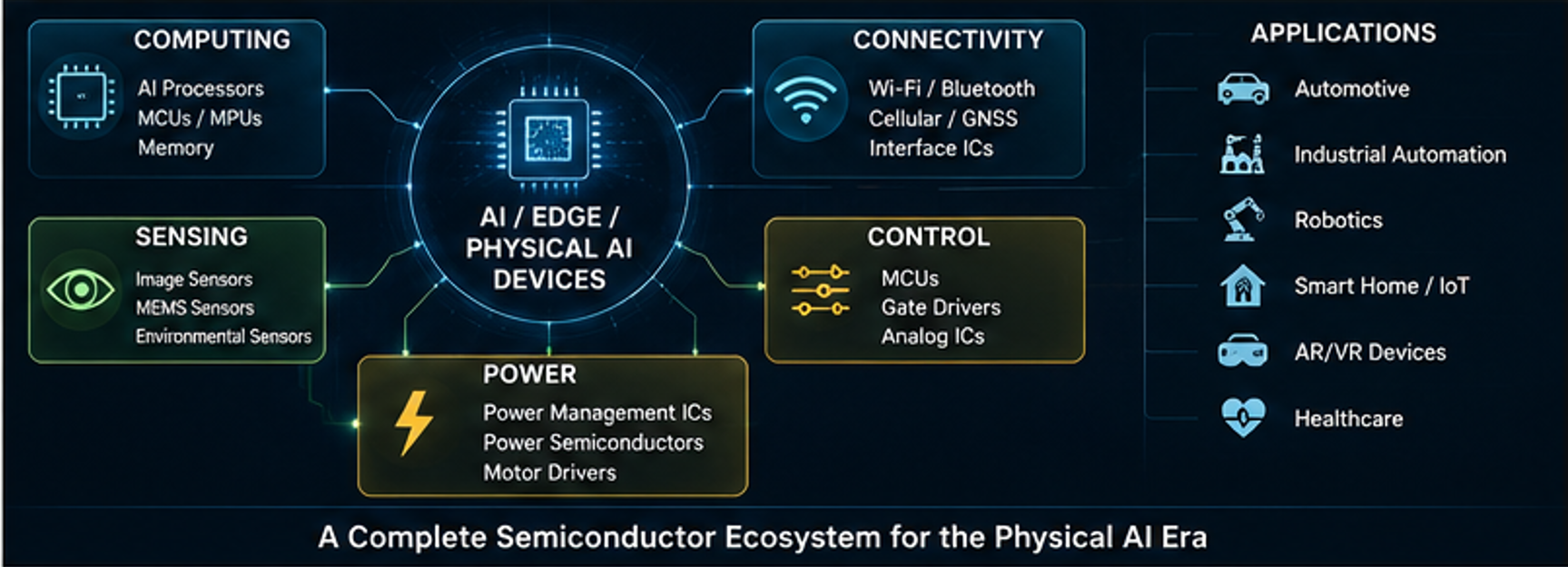
La crescita dell’Edge AI e dell’AI fisica rimodellerà la domanda di semiconduttori.
I futuri sistemi intelligenti richiederanno una gamma più ampia di componenti, compreso:
Componenti informatici AI
- Processori di intelligenza artificiale
- Chip informatici incorporati
- NPU
Componenti di rilevamento
- Sensori di immagine
- Sensori ambientali
- Sensori industriali
Soluzioni di alimentazione
- Circuiti integrati di gestione dell'alimentazione
- Dispositivi a semiconduttore di potenza
- Componenti di controllo del motore
Soluzioni di connettività
- Chip di comunicazione wireless
- Componenti dell'interfaccia
A differenza dei sistemi informatici tradizionali, I dispositivi abilitati all’intelligenza artificiale richiedono ecosistemi di semiconduttori altamente integrati.
Per i produttori che sviluppano prodotti di prossima generazione, mantenere un accesso affidabile ai componenti elettronici critici diventerà sempre più importante.
Cosa significa questo per acquirenti e produttori di semiconduttori
Man mano che la tecnologia dei semiconduttori si evolve verso sistemi edge intelligenti, le aziende dovranno valutare:
- Disponibilità dei componenti
- Strategie di approvvigionamento alternative
- Stabilità dell’offerta a lungo termine
- Gestione del ciclo di vita del prodotto
La transizione verso l’intelligenza artificiale fisica potrebbe aumentare la domanda di componenti specializzati nel settore automobilistico, automazione industriale, robotica, e mercati dei dispositivi intelligenti.
Informazioni su Trusty IC
Trusty IC fornisce soluzioni di approvvigionamento di semiconduttori per produttori globali e team di ingegneri.
Il nostro focus include:
- Circuiti integrati
- Sensori
- Componenti di potenza
- Connettori
- Componenti elettronici industriali
Asso IA, automazione, e i sistemi intelligenti continuano ad evolversi, catene di fornitura affidabili di semiconduttori stanno diventando sempre più importanti.
Trusty IC aiuta i clienti a identificare i componenti adatti e a reperire soluzioni per applicazioni elettroniche impegnative.
Conclusione
La prevista combinazione tra onsemi e Synaptics riflette una trasformazione più ampia nel settore dei semiconduttori.
L’intelligenza artificiale si sta spostando da ambienti informatici centralizzati ad applicazioni del mondo reale.
Le aziende che si integrano con successo:
- Energia
- Rilevamento
- Connettività
- Informatica
- Controllare
saranno posizionati meglio per l’era emergente dell’IA fisica.
Autore originale: Majeed Ahmad
Adattato e pubblicato da Trusty IC per la discussione sull'industria dei semiconduttori.